
42N · Operational software · Mendoza
We connect what is currently separated across the operation.
We design systems that relate images, tasks, data, and decisions so a process is easier to follow and maintain.

An image stops being an isolated file when it becomes part of an operational flow.
From an event to a decision
- 01Evidence
We locate the image, data, or task that records what happened.
- 02Context
We relate that signal to people, timing, rules, and existing systems.
- 03Action
We build a tool that makes the process easier to follow, decide, and review.
 Public proof · Demeteria
Published case with approved material
Images, tasks, and records in one operational flow.
Demeteria brings approved image reading, team tasks, queries, and operational history into one flow. The Cactus Mendoza case uses approved material without exposing metrics or private data.
View the Demeteria caseWhat it connects
- 01
Visual reading
Approved images that contribute evidence to the process.
- 02
Team work
Tasks and records linked to what happens in the operation.
- 03
Queries and history
Data and changes kept together to review what happened and what supports it.
How 42N works
Technology comes after understanding the flow.
We first map how information moves and where it breaks. Then we decide what is worth organizing, integrating, or automating—an internal product, an API, computer vision, or applied AI.
What we can build
Software for a concrete process, not technology for its own sake.
The starting point can be an operation split across spreadsheets, images, conversations, and manual controls. Scope is defined around the decision the system needs to support.
- 01
Operational diagnosis
People, sources, constraints, and the points where the process loses continuity.
- 02
Systems and integrations
Internal products, APIs, and automations with clear responsibilities.
- 03
Vision and applied AI
Models and assistants when they improve a concrete reading or decision.
- 04
Adoption and maintenance
Support so the team can understand, use, and sustain the tool.
 Product exploration · Olimpo
Suite in development
An in-development suite for physical operations.
Olimpo explores how to relate inventory, visual measurement, and scheduled routines through Argos, Atlas, and Nectar. These are demonstration surfaces: they do not indicate commercial availability or real deployments.
Explore Olimpo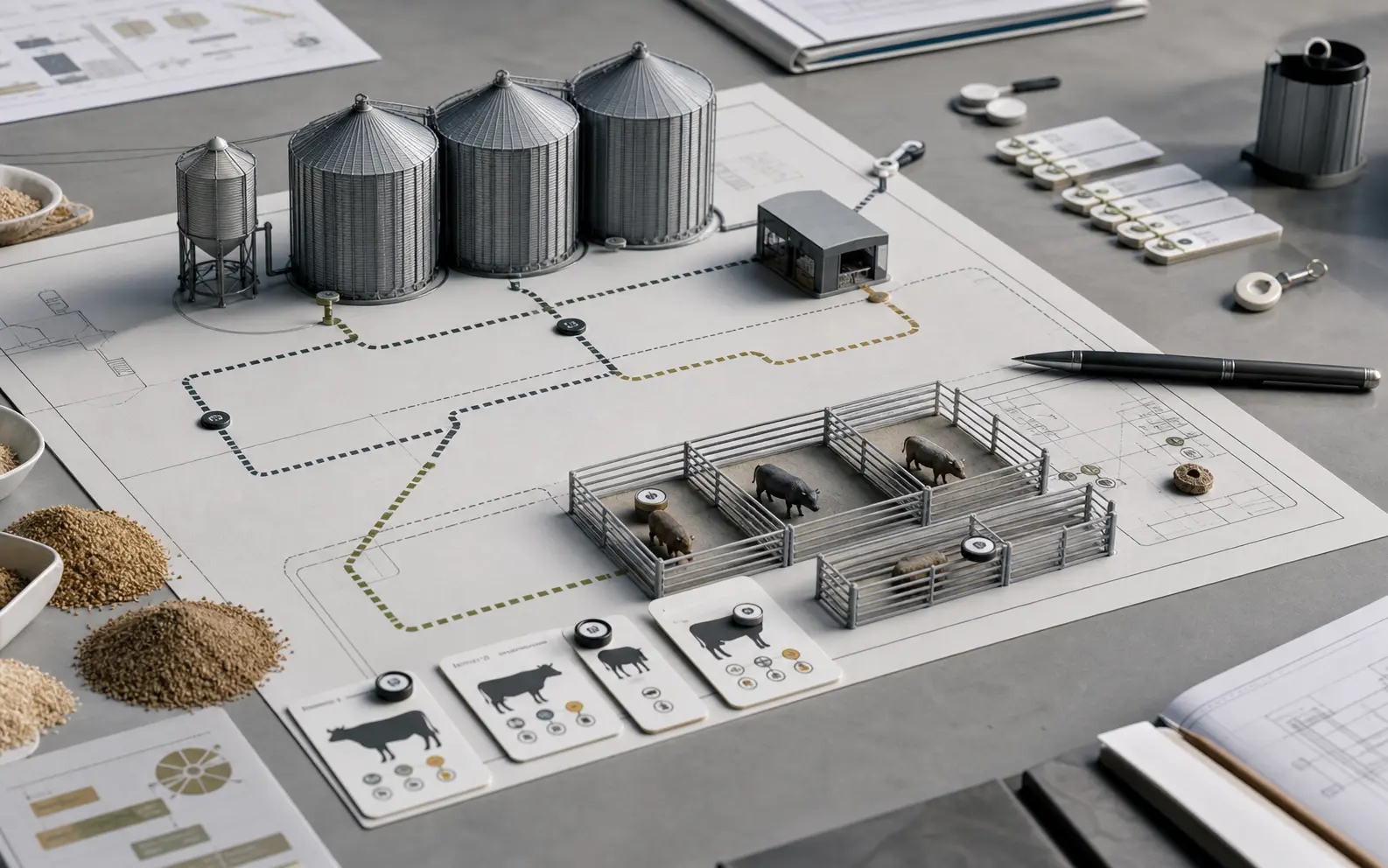
 Argos
ArgosModule in development for exploring physical inventory, replenishment, and material availability.
 Atlas
AtlasModule in development for exploring measurement, evolution, and visual evidence review.
 Nectar
Module in development for exploring scheduled routines, execution, and operational reconciliation.

Direct responsibility
Design and technical direction from Mendoza.
Lucas García leads 42N and takes part in designing systems, internal products, automation, computer vision, and applied AI when they help teams understand an operation.
About 42NStart with the process
Which part of your operation is hard to see, follow, or decide today?
Tell us what happens, which information is involved, and which decision the process must support. That conversation determines whether building together makes sense.
Email 42N